Foundation Repair Methods in Dripping Springs, TX
Fast, Reliable Foundation Repair Methods in Dripping Springs, TX — Licensed & Insured
Discover proven foundation repair methods in Dripping Springs, TX. Expert slab, pier & beam, and crawl space repair for Hill Country soil. Call (512) 883-7253 today.
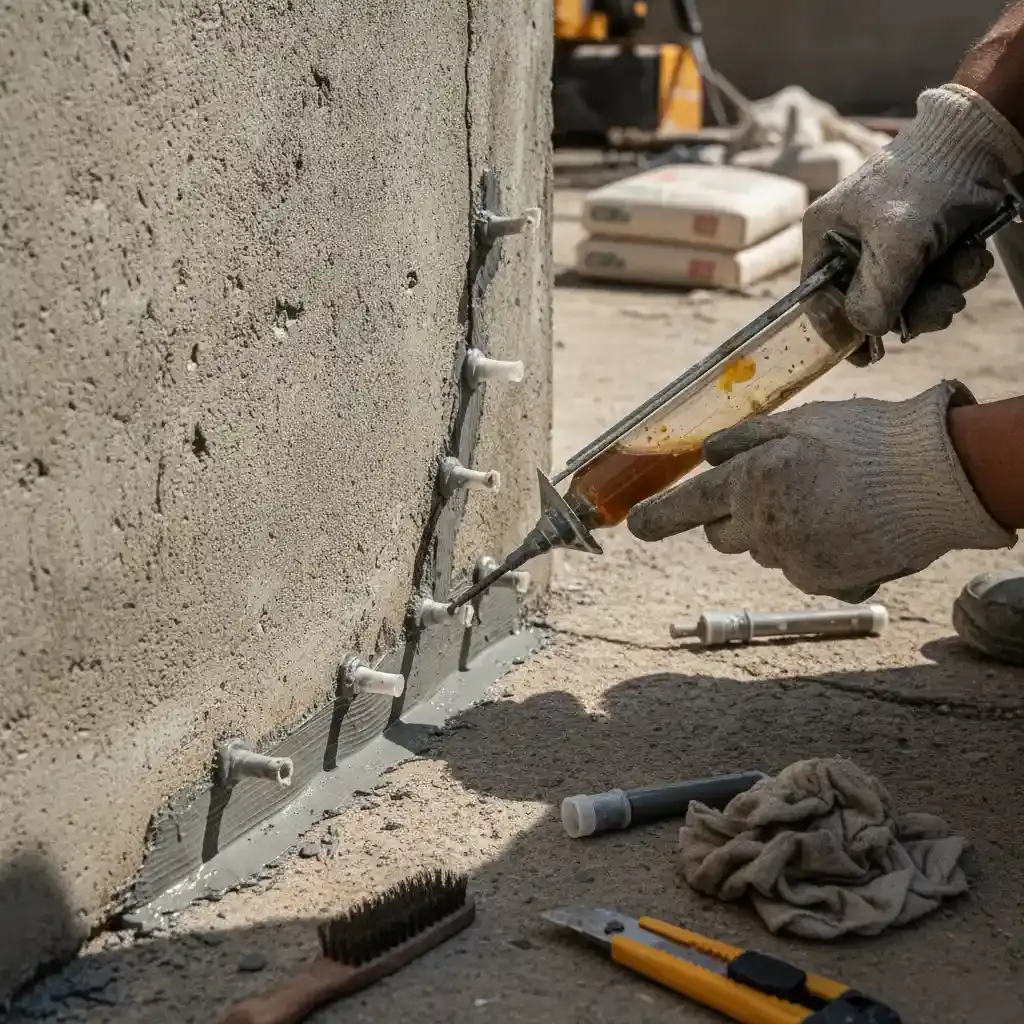
Foundation repair methods refer to the specialized techniques, materials, and engineering processes used to stabilize, restore, and protect the structural base of residential and commercial buildings. In Dripping Springs, TX, these methods must be carefully selected based on the region’s unique geology, soil composition, and climate patterns — all of which place extraordinary stress on building foundations throughout the Texas Hill Country.
At Dripping Springs Foundation Repair Company, we bring deep local knowledge and hands-on expertise to every project. From the expansive clay soils east of RR 12 to the shallow limestone bedrock west of town near Mercer Street, no two foundation problems in Dripping Springs are exactly alike. Our team evaluates each structure individually and applies the most appropriate repair method to deliver lasting results — not temporary fixes.
Read moreShow less
Whether you own a limestone ranch-style home near Arrowhead Ranch or a newer construction in Caliterra, our proven methods are engineered for the specific demands of the Dripping Springs environment. Call us today at (512) 883-7253 to speak with a local foundation expert.
Understanding Foundation Repair Methods in Dripping Springs
Foundation repair is not a one-size-fits-all science. The methods used to stabilize a home built on solid limestone in the Hill Country differ significantly from those needed for a property sitting on deep, shrink-swell clay soil on the eastern edge of the Dripping Springs ETJ. Understanding these distinctions is the cornerstone of effective, long-lasting foundation work.
Historically, homes in the Dripping Springs area were often built on pier-and-beam systems that accommodated the irregular limestone terrain naturally common throughout Hays County. As the community grew rapidly through the 1990s and accelerated through the 2000s and 2010s, slab-on-grade concrete foundations became the dominant construction type, particularly in newer master-planned communities like Belterra and Caliterra. These slab foundations, while cost-effective to build, are highly susceptible to movement when the soil beneath them expands, contracts, or erodes.
Read moreShow less
Foundation repair methods have evolved considerably over the past four decades. Early approaches often relied on surface-level concrete patching or simple shim adjustments beneath pier-and-beam homes. Modern foundation repair in Dripping Springs now encompasses sophisticated hydraulic piering systems, helical pier installations, concrete pressed pilings, slabjacking, and polyurethane foam injection — each engineered for specific soil and load conditions.
The Texas Hill Country, including Dripping Springs and surrounding communities in Hays and Travis counties, sits at the geological intersection of the Edwards Plateau and the Blackland Prairie. This transition zone creates a mosaic of soil types — from the thin, rocky soils over limestone in the western portions of town to the heavier, clay-dominant soils near the Hays-Travis county line. Each soil type reacts differently to moisture changes, and choosing the wrong repair method for a given soil condition can lead to repeated failure.
Building types in the area include single-family slab homes, pier-and-beam cottages, commercial retail centers along US-290, and even historic limestone block structures near the original downtown district. Each building type requires a tailored approach. Schedule a Foundation Inspection to determine which method is right for your structure.
Signs You Need Foundation Repair in Dripping Springs
Interior Warning Signs
- Diagonal cracks running from the corners of door frames or window frames at 45-degree angles
- Doors or windows that stick, won’t latch, or have visibly uneven gaps in their frames
- Floors that slope, bounce, or feel uneven underfoot — particularly in pier-and-beam homes
- Drywall cracks wider than 1/8 inch, especially stair-step cracks following mortar joints
- Gaps appearing between walls and ceilings or walls and floors
Exterior Warning Signs
- Visible cracks in brick veneer or stucco, particularly horizontal cracks in brick mortar
- Gaps between the foundation slab and exterior brick or siding
- Sections of foundation visibly higher or lower than adjacent sections
- Porches or garage slabs pulling away from the main structure
Urgent Red Flags Requiring Immediate Attention
- Any crack wider than 1/4 inch in the foundation slab or stem wall
- Multiple simultaneous symptoms appearing after a major rain event or drought period
- Structural walls bowing inward by more than 1 inch
- Doors becoming inoperable (not just stiff) due to frame distortion
If you observe any combination of these signs, contact Dripping Springs Foundation Repair Company immediately at (512) 883-7253. Request a Foundation Inspection before conditions worsen.
Free, no-obligation estimates
Talk to Dripping Springs Foundation Repair Company
Tell us what you need and we’ll take it from there.
Our process
Our Foundation Repair Process in Dripping Springs, TX
Our repair process is structured, transparent, and specifically adapted to the soil conditions, building types, and weather patterns of the Dripping Springs area.
- 01
Comprehensive Site Inspection and Elevation Survey (1–2 Days)
We begin every project with a thorough on-site inspection that includes elevation readings taken at multiple points across the foundation using a Ziplevel altimeter system accurate to 1/100 of an inch. We document crack patterns, measure differential settlemen
- 02
Soil Assessment and Load Analysis (1–3 Days)
Based on the inspection, we assess soil type, depth to bedrock, and moisture content. For properties in clay-dominant areas like Belterra, this step is critical for pier depth determination. For properties near limestone outcrops in Headwaters or Arrowhead Ran
- 03
Customized Repair Plan and Proposal (2–5 Days)
We prepare a written repair plan that specifies the method selected, number and placement of piers or injection points, expected lift amounts, and project timeline. We review this plan with you in detail so you understand exactly what is being done and why.
- 04
Site Preparation and Permitting (1–5 Days)
Some foundation repair projects in Hays County require building permits, particularly for commercial structures along US-290 or larger residential pier installations. We handle all necessary permitting coordination with the City of Dripping Springs or Hays Cou
- 05
Foundation Repair Execution (1–5 Days Depending on Scope)
Our crews execute the approved repair plan using equipment and materials rated for the specific demands of Hill Country soil conditions. We monitor elevation changes in real time during pier driving or slab lifting operations to ensure precise, controlled resu
- 06
Plumbing Verification
After any lifting procedure, we strongly recommend a plumbing pressure test or video line inspection, as foundation movement in Dripping Springs frequently affects underground supply and drain lines — an often-overlooked consequence of settlement. Learn about
- 07
Final Documentation and Post-Repair Guidance
We provide a complete post-repair report including before and after elevation readings, photographs, and specific drainage and maintenance recommendations tailored to your property’s location and soil type in Dripping Springs.
Foundation Repair Methods and Approaches Used in Dripping Springs
1. Steel Push Piers (Hydraulic Piering)
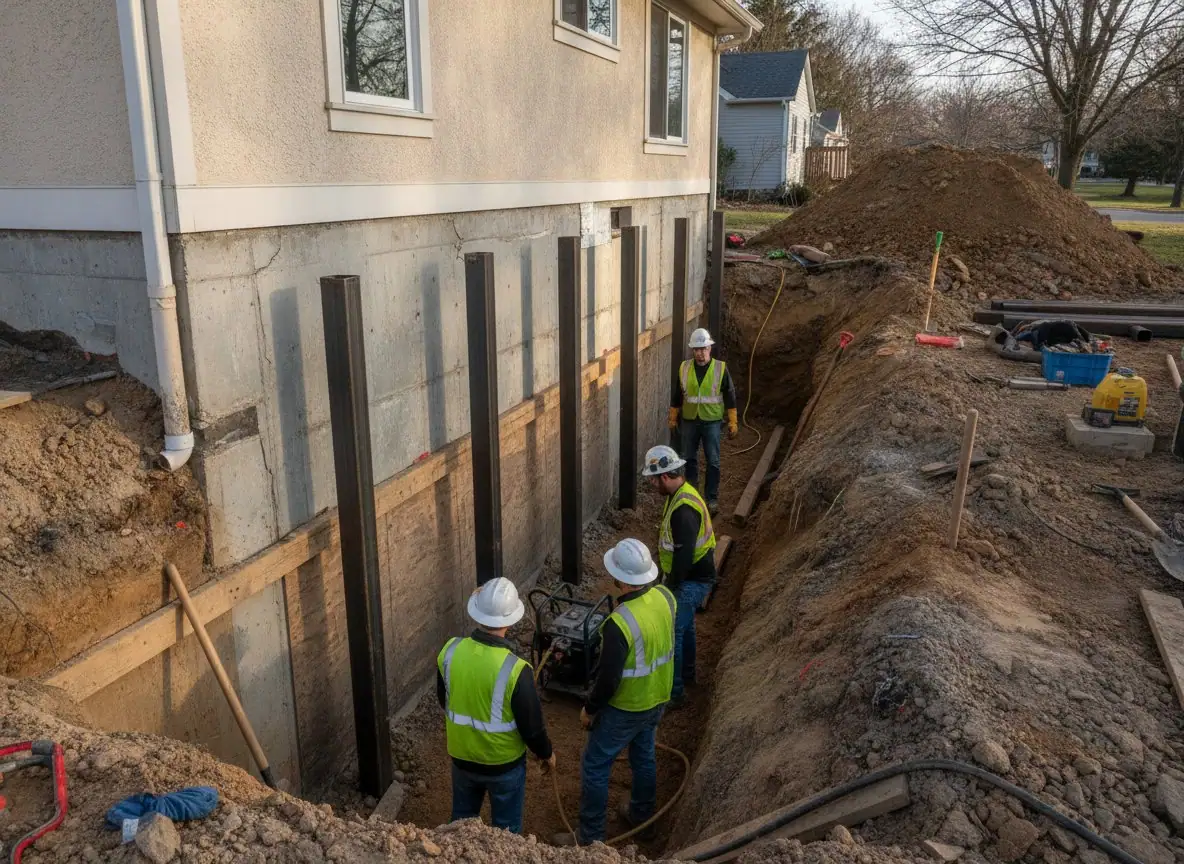
Steel push piers are driven hydraulically through unstable soil until they reach load-bearing bedrock or competent soil strata — often 20 to 40 feet below grade in clay-heavy areas east of Dripping Springs. This method is ideal for heavily settled slab foundations in Caliterra, Belterra, and similar newer communities where soil consolidation is the primary cause of failure. Push piers provide permanent, adjustable support.
2. Helical Piers
Helical piers are screwed into the ground like large bolts, making them ideal for situations where soil is too soft or loose for push piers, for new construction stabilization, or where vibration from pier driving could damage existing structures. They are commonly used in pier-and-beam retrofits and in commercial applications along the US-290 corridor.
3. Concrete Pressed Pilings
Cylindrical concrete piers pressed into the soil in stacked segments are a cost-effective option for moderately settled slab foundations where bedrock is relatively shallow — a condition common in the western Dripping Springs area near Headwaters and Fitzhugh Road. This method works best in stable, rocky soils with limited clay content.
4. Polyurethane Foam Injection (Slabjacking)
Expanding polyurethane foam injected through small drill holes can lift and level concrete slabs without major excavation. This method is best suited for void-filling beneath settled sidewalks, driveways, and interior slabs where soil erosion — common near limestone karst features in Dripping Springs — has created hollow spaces beneath the concrete.
5. Pier-and-Beam Repair and Shimming
Older Dripping Springs homes built on crawl space pier-and-beam systems often need wood beam replacement, new concrete block pier installation, or steel shim adjustments to restore level floors. Explore our Crawl Space Repair services for pier-and-beam homes.
Foundation Repair Methods Cost in Dripping Springs, TX
Understanding the cost of foundation repair in Dripping Springs helps homeowners plan appropriately and avoid being surprised. Costs vary widely based on method, severity, and property-specific factors.
Typical Cost Ranges
- Foundation Inspection: $300–$600 for a full elevation survey and written report in the Dripping Springs area
- Concrete Pressed Pilings: $1,200–$1,800 per pier installed; average Dripping Springs slab repair requires 8–16 piers, totaling $10,000–$28,000
- Steel Push Piers: $1,500–$2,500 per pier; projects in deep clay soil areas near Belterra commonly require 10–20 piers, totaling $15,000–$50,000
- Helical Piers: $1,800–$3,000 per pier depending on depth and soil torque requirements
- Polyurethane Foam Injection: $800–$2,500 for targeted void-fill or slab leveling projects
- Pier-and-Beam Repair: $3,500–$12,000 for crawl space beam and pier restoration
- Foundation Patching: $500–$2,500 for surface crack repair and waterproofing
Read moreShow less
Location-Specific Cost Factors in Dripping Springs
Several Dripping Springs-specific factors influence project cost. Shallow limestone bedrock in western areas may reduce pier depth requirements, lowering costs. Conversely, deep clay soils in eastern growth corridors require longer piers and more installation time. Properties near seasonal drainages or karst sinkholes may require additional void investigation before repair. Permit fees through Hays County or the City of Dripping Springs typically add $150–$500 to project totals.
Call (512) 883-7253 for a detailed estimate. Learn more about Foundation Repair Methods in Dripping Springs cost.
Neighborhoods We Serve in Dripping Springs and Surrounding Areas
Belterra (Built 2003–Present)
One of the largest master-planned communities in Hays County, Belterra’s homes are primarily slab-on-grade construction built on clay-dominant soils. We frequently address differential settlement and interior cracking in this neighborhood as soils respond to seasonal moisture shifts.
Caliterra (Built 2016–Present)
As one of Dripping Springs’ newest large developments, Caliterra homes are still in early settlement phases. Many properties exhibit early-stage cracking that benefits from proactive pier installation before settlement worsens.
Headwaters (Built 2018–Present)
Located west of town near Barton Creek headwaters, Headwaters properties sit on shallower limestone soils requiring helical or pressed pier solutions rather than deep push piers used in clay areas.
Arrowhead Ranch and Sawyer Ranch
These established communities feature a mix of slab and pier-and-beam homes on mixed soil profiles. Caliche hardpan layers create perched water problems that we regularly address with foam injection and drainage improvement.
We also serve Driftwood, Bee Cave, Lakeway, Wimberley, Buda, Kyle, Oak Hill, West Lake Hills, and Austin. View all service areas.
Foundation Maintenance Tips for Dripping Springs Homeowners
Protecting your foundation between professional service visits is especially important given Dripping Springs’ extreme seasonal moisture cycles. Follow these Hill Country–specific maintenance practices.
- Maintain consistent soil moisture year-round. During Dripping Springs’ dry summers — often stretching from June through October — use a soaker hose system placed 18 inches from the foundation perimeter to prevent clay soils from drying and contracting beneath your slab.
- Ensure positive drainage away from the foundation. Grade landscaping to slope away from the home at a minimum of 6 inches over the first 10 feet — critical during the intense spring rain events common in the Hill Country.
- Keep gutters and downspouts clear and extended. Discharge water at least 5–10 feet from the foundation. Given Dripping Springs’ rocky, fast-draining terrain, concentrated discharge near the foundation can erode soil rapidly.
- Monitor and manage mature tree placement. Keep live oaks and cedar elms trimmed and consider root barriers near foundations. Live oaks within 15 feet of a slab edge pose significant moisture-extraction risk during drought.
- Inspect foundation perimeter seasonally. Walk your foundation line each spring and fall looking for new cracks, gaps, or soil pulling away from the stem wall.
- Repair plumbing leaks promptly. Underground plumbing leaks saturate soil locally and accelerate heaving, particularly in clay-heavy areas of Dripping Springs.
- Avoid heavy planters and mulch beds against the slab. Concentrated moisture retention directly against the foundation edge is a leading cause of localized heaving.
Why Choose Dripping Springs Foundation Repair Company
When you need foundation repair in Dripping Springs, local knowledge isn’t just a selling point — it’s a technical necessity. The soil transitions, limestone outcroppings, karst drainage features, and drought-flood moisture cycles of the Texas Hill Country demand a repair team that understands this specific landscape intimately.
Dripping Springs Foundation Repair Company focuses exclusively on the communities of Hays and Travis counties. We know the soil profiles of Belterra, the bedrock conditions of Headwaters, and the drainage challenges near Barton Creek tributaries in ways that out-of-area contractors simply cannot match from a generic playbook.
We use only high-grade steel pier systems, commercial-grade polyurethane foam, and repair materials rated for Texas’ extreme temperature range of 15°F to 110°F. Our elevation readings are taken with calibrated instrumentation, not estimation, ensuring precise lift results. We provide written repair plans before work begins and post-repair documentation after every project.
For foundation questions specific to your Dripping Springs property, call us at (512) 883-7253. Learn about our Structural Foundation Repair services.
FAQ
Frequently Asked Questions About Foundation Repair Methods in Dripping Springs, TX
How much does foundation repair cost in Dripping Springs, TX?
Costs range from approximately $3,500 for minor pier-and-beam shimming to $50,000 or more for severe slab settlement requiring 20+ steel push piers in deep clay soil areas like Belterra. The average slab foundation repair in Dripping Springs using concrete pressed pilings runs $10,000–$25,000. A professional inspection — typically $300–$600 — is the only way to determine accurate project cost for your specific property.
How long does foundation repair take in Dripping Springs?
Most residential foundation repair projects in Dripping Springs are completed in 1–5 business days once repair plans are finalized and materials are on site. Complex commercial projects or those requiring county permits may take 2–4 weeks from inspection to project completion.
Which foundation repair method is best for Dripping Springs’ soil?
There is no single best method — it depends on your specific location. Homes in clay-dominant areas east of Dripping Springs typically require deep steel push piers (30–40 feet). Homes in the rocky western areas near Headwaters or Fitzhugh Road often respond well to helical or concrete pressed piers reaching bedrock at 6–15 feet. A site-specific soil and elevation assessment is required to make this determination accurately.
Do I need a permit for foundation repair in Dripping Springs?
Permit requirements vary. The City of Dripping Springs and Hays County both have permit requirements for certain structural repair scopes. Commercial foundation repairs and some large residential projects require permits. We coordinate all permitting as part of our service to ensure your repair is code-compliant and properly documented for future property sale or insurance purposes.
Will foundation repair fix my sticking doors and cracked drywall?
Foundation repair addresses the root cause of structural movement. In many cases, sticking doors and drywall cracks improve after the foundation is re-leveled, but some cosmetic repairs — drywall patching, door planing — may still be needed after the foundation is stabilized. We provide guidance on what to expect structurally after repair.
Can Dripping Springs’ drought conditions cause my foundation to crack even in a newer home?
Absolutely. Dripping Springs experienced multi-year drought conditions in 2011–2014 and again in 2022–2023, and newer homes in Belterra, Caliterra, and Headwaters were not immune to settlement during these periods. Clay soils beneath newer slabs can lose enough moisture to contract 2–4 inches vertically during severe drought, causing significant differential settlement regardless of home age.
Is polyurethane foam injection a permanent repair?
Polyurethane foam is considered a long-lasting repair for void-filling beneath slabs — the foam itself does not degrade, compress, or wash out. However, if the underlying cause of void formation (such as erosion from a nearby drainage feature or ongoing soil consolidation) is not addressed, new voids may form in adjacent areas over time. We always address root causes alongside foam injection treatments.
Does foundation repair affect my home’s resale value in Dripping Springs?
A properly repaired and documented foundation actually supports resale value by demonstrating that a known issue has been professionally resolved. Buyers and their inspectors look for repair documentation. An unresolved foundation problem, by contrast, can reduce offers significantly or kill deals altogether in the active Dripping Springs real estate market. Learn about Foundation Restoration for pre-sale projects.
Contact Dripping Springs Foundation Repair Company Today
Don’t let foundation problems in Dripping Springs grow into costly structural emergencies. Whether you’ve noticed a sticking door in Belterra, diagonal cracks in a Caliterra home, or uneven floors in an older pier-and-beam house near downtown Dripping Springs, our team is ready to help you assess, plan, and repair with methods specifically suited to the Texas Hill Country.
Call us now at (512) 883-7253 to schedule your foundation inspection or to speak directly with a local foundation repair expert. We serve Dripping Springs, Driftwood, Bee Cave, Wimberley, Buda, Kyle, Austin, and all surrounding communities throughout Hays and Travis counties.
Get the right method, from the right team, for the right results — right here in Dripping Springs, TX.
Request Your Free Foundation Consultation or Schedule a Foundation Inspection online today.
Get in touch
Find foundation repair help near you
Request a free estimate online or give us a call — our team will follow up quickly.
- Call us(512) 883-7253
- Visit4002 US-290 Unit a7, Dripping Springs, TX 78620
- HoursMon-Sun: 7:00 am – 7:00 pm