Pier and Beam Foundation Repair Cost in Dripping Springs, TX
Transparent Pier and Beam Foundation Repair Cost Pricing for Dripping Springs, TX Homeowners — Free Estimates
Learn the true pier and beam foundation repair cost in Dripping Springs, TX. Local experts serving Hays County. Free estimates — call (512) 883-7253 today.
Understanding the true cost of pier and beam foundation repair in Dripping Springs, TX begins with recognizing what makes this region uniquely challenging for residential and commercial structures. Pier and beam foundations — also called post and beam systems — elevate your home above the ground on a network of concrete or wood piers, creating a crawl space beneath the structure. While this design offers flexibility and easier access to plumbing and electrical systems, it is also highly susceptible to shifting soils, moisture fluctuations, and wood rot that are exceptionally common in the Texas Hill Country.
At Dripping Springs Foundation Repair Company, we specialize in diagnosing and restoring pier and beam systems throughout Dripping Springs and the surrounding communities. Our team understands the specific expansive clay soils, seasonal drought cycles, and limestone bedrock conditions that drive foundation movement here. If you’re concerned about your home’s structural integrity, call us today at (512) 883-7253 for a thorough, honest assessment.
Understanding Pier and Beam Foundation Repair in Dripping Springs, TX
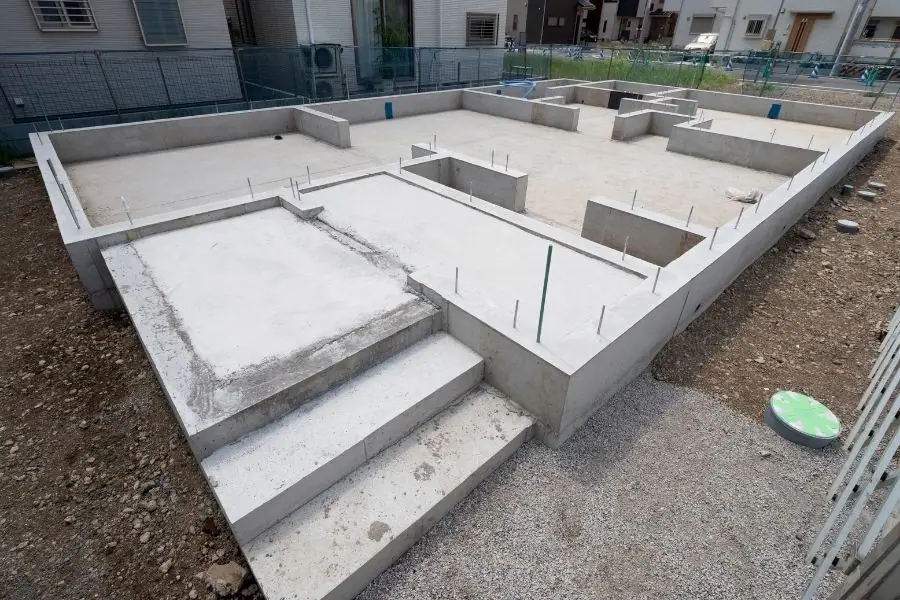
Pier and beam foundations have been a staple of Texas construction since the early 1900s. Before the widespread adoption of concrete slab foundations in the post-World War II era, nearly every home built across Central Texas used a pier and beam system. In Dripping Springs — a city whose oldest neighborhoods date back to the mid-1800s when German immigrants first settled the area — many homes still rest on original wood or concrete pier systems that have served for generations.
This type of foundation works by transferring the structural load of your home through vertical piers driven or poured into the ground, which then rest on beams that support your floor joists. The crawl space created between the ground and your floor decking typically ranges from 18 inches to 36 inches in height in most Dripping Springs homes. This gap is intentional — it allows air circulation and provides access to utilities — but it also becomes a pathway for moisture infiltration, pest intrusion, and soil-related movement.
Read moreShow less
Over time, the wooden components of a pier and beam system are vulnerable to several forms of deterioration. Wood rot, caused by prolonged moisture exposure, can silently compromise your sill plates, floor joists, and even the wooden piers themselves. Concrete piers, meanwhile, can crack, sink, or heave as the soil beneath them swells and contracts. In the Dripping Springs area, homes built before 1970 are statistically more likely to need pier and beam repair, and properties in low-lying areas near Barton Creek tributaries or Onion Creek flood corridors face heightened moisture risks year-round.
Pier and beam repair involves correcting settlement, replacing deteriorated structural members, installing new or supplemental piers, and addressing the root causes of damage — particularly moisture and soil instability. This is not a one-size-fits-all service. Effective repair requires a clear understanding of local soil behavior, drainage patterns, and the specific construction methods used when your home was originally built.
Why Pier and Beam Foundation Repair Is Needed in Dripping Springs, TX
Expansive Montmorillonite Clay Soils
The dominant soil type in much of Dripping Springs is Houston Black clay — a montmorillonite-rich expansive clay that can shrink and swell dramatically based on moisture content. During dry periods, these soils shrink and crack, sometimes opening surface fissures 1 to 2 inches wide. During wet periods, the same soil swells with significant upward pressure. The Texas Cooperative Extension has documented vertical soil movement of 4 to 6 inches in severe cases across Hays County, where Dripping Springs is located. This relentless cycle causes piers to shift, beams to rack, and floor systems to become uneven.
Severe Drought and Flash Flood Cycles
The Texas Hill Country experiences some of the most volatile precipitation swings in the United States. The 2011 drought — one of the worst single-year droughts in Texas recorded history — caused severe soil contraction throughout Hays County, leading to a spike in foundation damage claims that stretched into 2013 as remediation efforts continued. Conversely, Central Texas flash flooding events, including the October 2018 floods that affected Onion Creek and Barton Creek corridors running near Dripping Springs, caused rapid soil saturation that destabilized pier bases across dozens of neighborhoods.
Limestone Bedrock and Unpredictable Depth
Beneath the clay layer, Dripping Springs rests on Austin Chalk and Edwards Limestone formations. The depth to bedrock varies dramatically — sometimes as shallow as 12 inches in areas near Ranch Road 12 and Mercer Street, and as deep as 8 to 10 feet in the creek bottoms near Founders Memorial Park. This inconsistency makes it difficult for piers to find uniform bearing, resulting in differential settlement where one corner of a home sinks while another remains stable.
Older Housing Stock and Original Wood Piers
Neighborhoods such as Old Town Dripping Springs, along Mercer Street and Old Fitzhugh Road, contain homes built in the 1940s through 1960s that rest on original wood cedar piers. Cedar is naturally rot-resistant, but after 60 to 80 years of exposure to Dripping Springs’ humidity cycles — average annual relative humidity around 65 percent — even cedar degrades. Neighborhoods developed in the 1980s and 1990s along US-290 West, such as Arroyo Ranch and Highpointe, used concrete block piers that are prone to cracking under differential settlement pressure.
Crawl Space Moisture from Hill Country Humidity
Dripping Springs receives an average of 33 inches of rainfall annually, much of it concentrated in spring and fall. The Hill Country topography channels runoff toward crawl spaces, particularly in homes on sloped lots common throughout the 78620 ZIP code. Without adequate vapor barriers and drainage, crawl space moisture levels can exceed 80 percent relative humidity, accelerating wood rot and attracting termites and carpenter ants that further compromise structural members.
Free, no-obligation estimates
Talk to Dripping Springs Foundation Repair Company
Tell us what you need and we’ll take it from there.
Signs You Need Pier and Beam Foundation Repair in Dripping Springs
Structural and Visual Indicators
- Sagging, bouncy, or uneven floors — particularly noticeable when walking through hallways or kitchens
- Gaps between the floor and baseboards exceeding 1/4 inch
- Visible cracks in interior drywall, especially diagonal cracks at door and window corners
- Exterior brick veneer cracks wider than 1/16 inch following a stair-step pattern in mortar joints
- Doors and windows that stick, jam, or no longer latch correctly without being forced
Crawl Space Warning Signs
- Visible wood rot, dark staining, or soft spots on floor joists or sill plates when inspected beneath the home
- Standing water or persistent mud in the crawl space after rainfall
- Musty odors rising through floor vents or registers inside the home
- Sagging or deteriorated vapor barrier beneath the floor system
- Visibly leaning, cracked, or displaced concrete block or wood piers
Urgency Indicators — Call Immediately If You Notice
- A floor depression greater than 1 inch across a 10-foot span
- Sudden door or window failures after a significant rainfall or extended dry spell
- Visible separation between the home’s exterior wall and the foundation perimeter beam
Early detection saves thousands of dollars. Contact Dripping Springs Foundation Repair Company at (512) 883-7253 if you observe any of these warning signs.
Our process
Our Pier and Beam Foundation Repair Process in Dripping Springs
Every successful foundation repair begins with a disciplined, site-specific process. Here is how Dripping Springs Foundation Repair Company approaches pier and beam projects from initial contact through project completion.
- 01
Comprehensive Foundation Inspection (Day 1 — 2 to 3 Hours)
Our inspector evaluates both the interior of your home and the crawl space beneath it. We use a laser level to map floor elevations across every room, document drywall crack patterns, and physically inspect all accessible piers, beams, joists, sill plates, and
- 02
Soil and Site Assessment (Day 1 — Concurrent with Inspection)
We assess visible soil conditions around the foundation perimeter, evaluate the crawl space moisture level, and note proximity to Barton Creek tributaries, septic systems, or irrigation lines that may be contributing to soil saturation. In areas near Onion Cre
- 03
Written Repair Proposal and Cost Estimate (Days 2–3)
You receive a detailed written scope of work with itemized pricing, material specifications, and timeline. We never provide verbal-only estimates. Our proposals distinguish between immediate structural needs and optional preventative improvements so you can ma
- 04
Permit and Scheduling (Days 3–7, Varies by Hays County Requirements)
Depending on the scope, we coordinate any required permits with Hays County or the City of Dripping Springs Development Services. Most residential pier and beam repairs in Dripping Springs do not require permits, but significant structural work may. We handle
- 05
Foundation Repair Execution (1 to 5 Days, Depending on Scope)
Our crew works systematically from the most severely settled areas outward. We access the crawl space, install temporary shoring where needed, replace or supplement piers, sister damaged joists, replace rotten sill plates, and reattach beams to their bearing p
- 06
Moisture Mitigation and Crawl Space Remediation (Concurrent or Follow-Up)
Where moisture has been identified as a contributing cause, we install or replace vapor barriers (6-mil minimum, 20-mil in high-moisture zones), improve crawl space ventilation, and recommend or install perimeter drainage if needed.
- 07
Final Inspection and Documentation (Final Day)
We re-level all floor measurements, confirm that doors and windows operate correctly, and provide you with written completion documentation including before-and-after elevation readings — records that are valuable when selling your home.
Pier and Beam Repair Methods Used in Dripping Springs
Concrete Pressed Piling Installation
For foundations experiencing significant differential settlement, we install concrete pressed pilings driven to refusal — meaning they are pushed until they reach the stable limestone layer beneath the clay. In Dripping Springs, this typically occurs at depths of 6 to 14 feet depending on location. This method is most effective in neighborhoods with deep clay profiles such as Caliterra and Headwaters at Barton Creek.
Steel Pier Installation
Helical or push-pier steel systems are used when we need to reach greater depths or work in confined areas where concrete piling equipment cannot maneuver. Steel piers are particularly well-suited for the steep, narrow lot conditions common in Old Town Dripping Springs and properties along Ranch Road 12.
Wood Pier Replacement and Shimming
When existing wood cedar or concrete block piers have deteriorated or shifted without significant soil failure, we replace individual piers with new pressure-treated wood or precast concrete alternatives, then shim the system back to level. This is among the most cost-effective repair approaches and is common in homes built before 1975.
Sill Plate and Floor Joist Replacement
Rotted sill plates and damaged floor joists are sistered or fully replaced using pressure-treated lumber. This structural repair is frequently required in Dripping Springs crawl spaces where moisture has gone unaddressed for multiple wet seasons.
Crawl Space Encapsulation
A complete moisture barrier system — including heavy-gauge vapor barrier, vent covers, and sometimes a crawl space dehumidifier — addresses the root cause of wood deterioration. This preventative method is highly recommended for homes near Onion Creek and Hamilton Pool Road due to elevated groundwater tables in those zones.
Pier and Beam Foundation Repair Cost in Dripping Springs, TX
One of the most common questions homeowners ask is: what does pier and beam foundation repair actually cost? In Dripping Springs, TX, the answer depends on the type of damage, the number of piers required, soil conditions, and whether moisture remediation is needed. Here is a realistic breakdown based on current regional pricing.
Typical Cost Ranges
- Minor shimming and leveling (1–5 piers): $1,500 – $4,000
- Moderate repair (6–15 piers, some wood replacement): $4,000 – $9,000
- Major structural repair (15+ piers, sill plate/joist replacement): $9,000 – $18,000
- Full foundation restoration with crawl space encapsulation: $15,000 – $30,000+
- Individual pier replacement (per pier): $250 – $600 depending on type
- Crawl space vapor barrier installation: $1,500 – $5,000 depending on square footage
Read moreShow less
Dripping Springs-Specific Cost Factors
Several local conditions affect pricing in the 78620 ZIP code specifically. Homes on steep Hill Country lots require additional labor for safe crawl space access. Properties near the Onion Creek flood corridor may need drainage improvements that add $1,500 to $3,500 to a project. Homes in Caliterra, Headwaters, or Belterra with HOA requirements may require additional documentation. Material costs in Dripping Springs reflect the Austin metro market, which runs approximately 8 to 12 percent higher than rural Texas averages.
We recommend obtaining at least two detailed written estimates before committing to any repair. Call us at (512) 883-7253 to schedule your free cost assessment. Schedule a Free Foundation Inspection
Neighborhoods We Serve in and Around Dripping Springs, TX
Old Town Dripping Springs (Mercer Street Corridor)
Homes along Mercer Street and Old Fitzhurch Road date primarily from the 1940s through 1960s. Many rest on original wood cedar piers that are now 60 to 80 years old. These structures frequently need full pier replacement programs combined with sill plate renewal and crawl space moisture correction.
Caliterra and Headwaters at Barton Creek
These master-planned communities developed in the 2010s feature newer construction, but the expansive clay soils beneath them are no less aggressive. Homeowners here often experience early-onset differential settlement due to soil shrinkage during the first decade after construction when landscaping is still being established.
Arroyo Ranch and Sawyer Ranch Road Corridor
Developed primarily in the 1990s, these neighborhoods feature concrete block pier systems that are now 25 to 35 years old. Block pier cracking and displacement is common, and the drainage patterns toward Onion Creek create elevated moisture risk in crawl spaces throughout this area.
Buda, Kyle, and Manchaca
We extend our pier and beam services south along the US-290 and IH-35 corridors into Buda, Kyle, and Manchaca, where similar Hays County expansive clay conditions create comparable repair needs. View All Service Areas
Pier and Beam Foundation Maintenance Tips for Dripping Springs Homeowners
- Maintain consistent soil moisture year-round. During Dripping Springs’ dry summers — when temperatures routinely exceed 100°F from June through September — use a soaker hose system placed 12 to 18 inches from your foundation perimeter to prevent extreme soil shrinkage.
- Inspect your crawl space annually. Ideally perform this inspection each spring after Dripping Springs’ wet season ends. Look for standing water, wood discoloration, soft spots in joists, and deteriorated vapor barriers.
- Ensure proper lot grading. The ground around your home should slope away from the foundation at a minimum of 6 inches over the first 10 feet. Hill Country lots often require regrading after landscape changes.
- Clean gutters and extend downspouts. Discharge rainwater a minimum of 5 feet from your foundation. During spring storms, concentrated discharge near piers is a leading cause of soil saturation and pier movement.
- Control vegetation near the foundation. Large oak trees — abundant throughout Dripping Springs — have extensive root systems that can displace soil moisture and physically disturb shallow piers.
- Repair plumbing leaks promptly. A slow leak beneath a pier and beam home can saturate the crawl space soil within weeks, leading to rapid wood rot and pier settlement.
- Replace vapor barriers every 10 to 15 years. Standard 6-mil polyethylene degrades in Texas heat and humidity. Upgrade to a reinforced 20-mil barrier during your next repair or as a standalone improvement.
Why Choose Dripping Springs Foundation Repair Company
When you call Dripping Springs Foundation Repair Company at (512) 883-7253, you reach a team that works in this community every day. We understand the difference between a Caliterra lot with deep clay and an Old Town Dripping Springs property on shallow limestone. We know what the 2011 drought did to foundations along US-290 West and how spring flooding along Onion Creek can undo repairs made on inadequately drained crawl spaces.
Our approach is honest and transparent. We provide written estimates, document all work with before-and-after elevation measurements, and explain every repair recommendation in plain language. We do not upsell unnecessary repairs, and we will tell you when a foundation issue can wait versus when it requires immediate attention.
Read moreShow less
We serve homeowners, property investors, and commercial property owners across Dripping Springs, Wimberley, Bee Cave, Lakeway, Buda, Kyle, and the greater Austin area. Whether you need a straightforward shimming job on three piers or a complete structural restoration, our team has the equipment, experience, and local knowledge to do it correctly the first time.
Contact Us Today for a Free Estimate

FAQ
Frequently Asked Questions About Pier and Beam Foundation Repair Cost in Dripping Springs, TX
How much does pier and beam foundation repair cost in Dripping Springs, TX?
In Dripping Springs, most pier and beam repairs fall between $3,500 and $12,000 for moderate work. Minor leveling jobs involving fewer than five piers may cost $1,500 to $4,000, while major projects requiring 15 or more piers, sill plate replacement, and crawl space encapsulation can reach $20,000 to $30,000. The specific soil conditions in Hays County — particularly the expansive Houston Black clay — can increase costs compared to other Texas regions where soil movement is less severe.
How long does pier and beam foundation repair take in Dripping Springs?
Most residential pier and beam repairs in Dripping Springs are completed within one to five business days. A simple shimming and leveling project on a home in Arroyo Ranch might take one day, while a full structural repair with wood replacement and crawl space moisture mitigation on an older home near Mercer Street could require three to five days. We schedule work to avoid conflict with Dripping Springs’ spring severe weather season (March through May) where possible.
Does homeowner’s insurance cover pier and beam foundation repair in Texas?
Standard Texas homeowner’s insurance policies typically exclude foundation damage caused by soil movement, settling, or shrinkage — the most common causes in Dripping Springs. However, if a specific covered event such as a plumbing leak or storm-related flooding directly caused the damage, a portion of repairs may be covered. We provide detailed documentation that can support insurance claims when applicable.
How do I know if my Dripping Springs home needs pier and beam repair or a full replacement?
Full foundation replacement is rarely necessary for pier and beam systems. In most cases — even severe ones — targeted pier replacement, beam repair, and wood member replacement is sufficient to fully restore structural integrity. We have restored homes in Dripping Springs with 5 to 6 inches of differential settlement back to level without requiring full replacement. Our inspection report will clearly outline your options.
Why are pier and beam foundations so common in older Dripping Springs homes?
Dripping Springs was settled in the mid-1800s, and construction through the mid-20th century predominantly used pier and beam systems because they were well-suited to the rocky, variable soil depths of the Texas Hill Country. Before reliable concrete slab technology and the equipment to pour uniform slabs on challenging terrain became widely available, pier and beam was the practical choice for local builders.
Can I stay in my home during pier and beam foundation repair?
Yes, in nearly all cases. Pier and beam repair work is conducted beneath your home in the crawl space and does not require you to vacate. There may be some minor vibration or noise during the first day of work. Utilities are generally unaffected unless plumbing repairs are also part of the scope.
How often should I have my pier and beam foundation inspected in Dripping Springs?
We recommend a professional foundation inspection every three to five years for homes in Dripping Springs, and annually for homes in high-risk areas near Onion Creek, Hamilton Pool Road, or properties with documented drainage challenges. Given Dripping Springs’ history of severe drought and flash flooding cycles, proactive inspection is far more cost-effective than emergency repair.
Do you offer pier and beam repair services near me outside of Dripping Springs?
Yes. We serve all communities surrounding Dripping Springs including Wimberley, Driftwood, Bee Cave, Lakeway, Spicewood, Buda, Kyle, Manchaca, Oak Hill, West Lake Hills, and Austin. Call us at (512) 883-7253 to confirm service availability at your address. See Our Full Service Area
Get Your Pier and Beam Foundation Repair Cost Estimate in Dripping Springs Today
Don’t let foundation problems grow from a minor inconvenience into a major structural emergency. Whether you’ve noticed a sagging floor in your Caliterra home, sticky doors in your Old Town Dripping Springs bungalow, or visible pier damage after last season’s drought, Dripping Springs Foundation Repair Company is ready to help.
Call us now at (512) 883-7253 to speak directly with a local foundation specialist. We offer free on-site inspections and written cost estimates with no obligation. Our team serves Dripping Springs, Wimberley, Bee Cave, Buda, Kyle, and all surrounding communities throughout Hays County and the greater Austin metro area.
Request Your Free Foundation Inspection Online
Protect your home. Protect your investment. Call Dripping Springs Foundation Repair Company today.
Get in touch
Find foundation repair help near you
Request a free estimate online or give us a call — our team will follow up quickly.
- Call us(512) 883-7253
- Visit4002 US-290 Unit a7, Dripping Springs, TX 78620
- HoursMon-Sun: 7:00 am – 7:00 pm