Bowing Foundation Wall in Dripping Springs, TX: Causes, Signs & Solutions
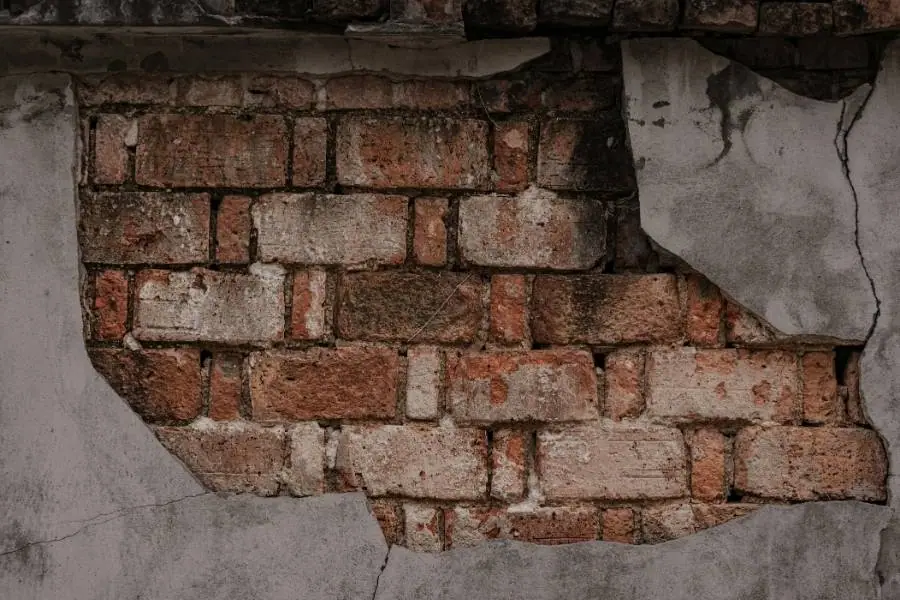
Bowing foundation wall in Dripping Springs, TX is a structural warning sign that occurs when foundation walls begin to curve inward due to external soil pressure. Homeowners may notice interior wall bulging, horizontal cracks, or basement and retaining wall distortion. In the Texas Hill Country, expansive clay soils, limestone bedrock transitions, seasonal moisture extremes, and drainage patterns create powerful lateral soil pressure that can push foundation walls inward over time.
What Is a Bowing Foundation Wall?
A bowing foundation wall occurs when external soil pressure forces a foundation wall inward, causing it to curve or lean. This pressure develops gradually and often goes unnoticed until visible deformation appears.
Homeowners may observe:
- Inward wall curvature
- Horizontal or stair-step cracks
- Separation at wall joints
- Water intrusion through cracks
- Doors or windows misaligning near affected walls
In Dripping Springs homes and structures, bowing may appear in several forms:
Horizontal cracking
Long cracks across masonry reminding homeowners that pressure is building behind the wall.
Inward wall bulging
The center of the wall pushes inward due to lateral soil pressure.
Step cracking in masonry blocks
Cracks along mortar joints signal structural stress and movement.
Read moreShow less
Retaining wall leaning or shifting
Outdoor retaining walls may tilt due to saturated soil pressure.
Bowing walls develop slowly as pressure increases. Without intervention, structural integrity can weaken, making early detection essential.
Why Dripping Springs Homes Get Bowing Foundation Walls
Expansive Clay Soils & Hydrostatic Pressure
Dripping Springs lies within the Edwards Plateau transition zone, where limestone shelves overlay expansive clay soils rich in montmorillonite minerals. These soils swell significantly when saturated and shrink during drought.
When heavy rainfall saturates soil — especially after dry periods — clay expands and retains moisture. This creates hydrostatic pressure, a lateral force exerted by water-saturated soil pressing against foundation walls.
The mechanism unfolds as follows:
- Drought drying: Soil contracts and forms gaps near foundation walls.
- Heavy rain saturation: Soil absorbs water and expands.
- Water retention: Clay traps moisture and increases weight.
- Hydrostatic pressure builds: Saturated soil pushes laterally.
- Wall displacement: Walls begin bowing inward under pressure.
Read moreShow less
The pressure increases when drainage is poor or runoff accumulates near structures.
Belterra and Driftwood neighborhoods often experience stronger pressure due to deeper clay deposits, while Bee Cave and Lakeway areas see wall stress where clay layers meet limestone, creating uneven pressure distribution.
Severe rainfall events following drought cycles — common in Central Texas — significantly increase hydrostatic pressure and wall movement risk.
Secondary Cause: Hillside Drainage & Water Flow Patterns
Hill Country terrain directs runoff toward structures if grading is inadequate. Water accumulation increases soil saturation and lateral pressure against foundation walls.
Secondary Cause: Improver Backfill & Soil Compaction
Loose or poorly compacted backfill soil around foundation walls retains water and expands more dramatically, increasing wall pressure over time.
Free, no-obligation estimates
Talk to Dripping Springs Foundation Repair Company
Tell us what you need and we’ll take it from there.
Signs of Bowing Foundation Walls in Dripping Springs Homes
Early Warning Signs
- Thin horizontal cracks in foundation walls
- Slight inward wall curvature
- Small moisture stains or damp spots
- Minor separation at mortar joints
Progressive Symptoms
- Noticeable wall bulging
- Stair-step cracks in masonry
- Doors and windows sticking near affected walls
- Water seepage during heavy rain
Advanced Warning Signs
- Walls leaning inward visibly
- Large horizontal cracks widening
- Structural distortion of framing
- Retainer walls tilting or shifting
Local Seasonal Patterns
Bowing often worsens after prolonged rainfall or sudden storms following drought conditions. Homeowners in Bee Cave, Belterra, and Driftwood frequently observe increased wall pressure during wet seasons.
Inspect foundation walls after heavy rainstorms and during extended wet periods.
When Is a Bowing Foundation Wall Serious?
How to Fix Bowing Foundation Walls in Dripping Springs
Repair solutions focus on relieving pressure and reinforcing structural integrity.
Preventing Bowing Foundation Walls in Dripping Springs Homes
Improve drainage systems
Ensure gutters, downspouts, and grading move water away from foundation walls.
Install proper waterproofing
Protect foundation walls from moisture infiltration.
Maintain soil grading
Slope soil away from the structure to reduce water accumulation.
Avoid overwatering landscaping
Excess irrigation increases soil saturation near walls.
Inspect retaining walls annually
Early detection prevents structural failure.
Address drainage issues promptly
Prevent soil pressure buildup after heavy rainfall.
Bowing Foundation Wall Repair Cost in Dripping Springs, TX
Repair costs vary depending on severity and structural requirements:
Minor corrections: $800 – $3,000
Drainage improvements and crack repair.
Moderate reinforcement: $3,000 – $8,000
Wall anchors and structural stabilization.
Major structural repair: $8,000 – $20,000+
Extensive reinforcement and waterproofing systems.
Local Cost Factors
- Soil saturation levels
- Drainage conditions and slope
- Wall height and structural load
- Accessibility and reinforcement needs
Early repair prevents structural failure and costly rebuilding. Dripping Springs Foundation Repair Company offers free inspections and written estimates.
Bowing Foundation Walls in Dripping Springs Area Neighborhoods
Wall pressure issues vary based on terrain and soil composition.
Belterra
Clay-rich soils and new construction backfill increase pressure risks.
Common cause: moisture retention and poor drainage.
Bee Cave
Limestone transitions create uneven soil pressure.
Common cause: hydrostatic pressure buildup.
Lakeway
Hillside drainage increases soil saturation near structures.
Common cause: runoff concentration.
Driftwood
Rural properties experience moisture fluctuations and soil expansion.
Common cause: expansive clay soil pressure.
Regular inspections are recommended in these areas due to drainage and soil conditions.
What Our Clients Say About Our Foundation Repair Work
Frequently Asked Questions About Bowing Foundation Walls in Dripping Springs, TX
Are bowing foundation walls dangerous?
Yes. Severe bowing can lead to structural failure if not repaired.
What causes bowing walls in Dripping Springs homes?
Hydrostatic pressure from saturated clay soil, drainage issues, and hillside runoff push walls inward.
Will a bowing wall get worse?
Yes. Pressure increases over time, worsening structural stress.
How much does repair cost?
Costs range from a few thousand dollars for reinforcement to over $20,000 for structural repairs.
Should I repair immediately?
If bowing exceeds 1 inch or cracks widen, professional repair is recommended.
Why choose us
Why choose Dripping Springs Foundation Repair Company?
Free estimates
Get a clear, no-obligation estimate before any work begins.
Licensed & insured
Your property and our crew are protected on every project.
Residential & commercial
One team for homes, multi-family and commercial properties.
Locally owned & operated
A local team serving your community and the surrounding area.
Get in touch
Find foundation repair help near you
Request a free estimate online or give us a call — our team will follow up quickly.
- Call us(512) 883-7253
- Visit4002 US-290 Unit a7, Dripping Springs, TX 78620
- HoursMon-Sun: 7:00 am – 7:00 pm